

Say goodbye to sleepy-looking eyes, and achieve a bright, clear, and well-defined eye shape
Ptosis Correction in Korea

RINE Plastic Surgery Clinic
What is Ptosis Correction at RINE Plastic Surgery?
A procedure designed to create lively, bright, and well-defined eyes.
Ptosis correction is a procedure that improves eyes that look sleepy or tired due to weak eyelid-opening strength, where the eyelid covers part of the pupil. It helps the eyes appear clearer and more defined.
By strengthening and correcting the function of the muscle that lifts the eyelid, it addresses ptosis (droopy eyelids) and provides both aesthetic and functional improvement.
If you want to correct sleepy-looking eyes into a clear and well-defined appearance?
Ptosis Correction at RINE
Ptosis correction is a procedure that improves eyes that look sleepy due to weak eyelid-opening strength, where the eyelid covers part of the pupil. It helps make the eyes appear clearer and more defined.
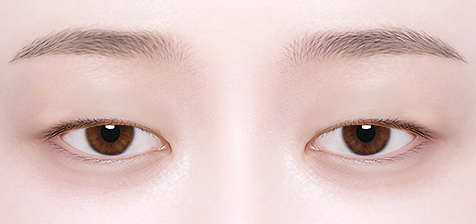
Sleepy-looking eyes
Less than 70% of the pupil is exposed
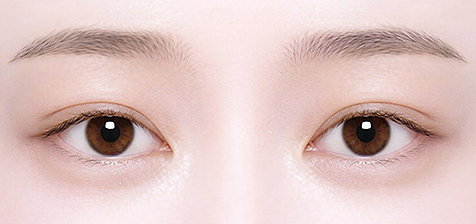
Bright-looking eyes
More than 80–90% of the pupil is visible
If the eyelid strength is weak and the pupil is partially covered, Ptosis Correction at RINE can help create a larger, clearer eye shape where about 80–90% of the pupil is visible.
RINE Specialty
Why Choose RINE For Ptosis Correction?
RINE Plastic Surgery creates the most suitable contours for each individual through 1:1 customized line design by our head doctor.

Specialty 01
Personalized detailed analysis
We carefully analyze your eye structure and preferred style to determine the most suitable eye shape for you.

Specialty 02
Even when your eyes are closed, it looks natural.
With delicate fixation techniques, the results remain natural even when the eyes are closed, achieving a refined and non-artificial appearance.
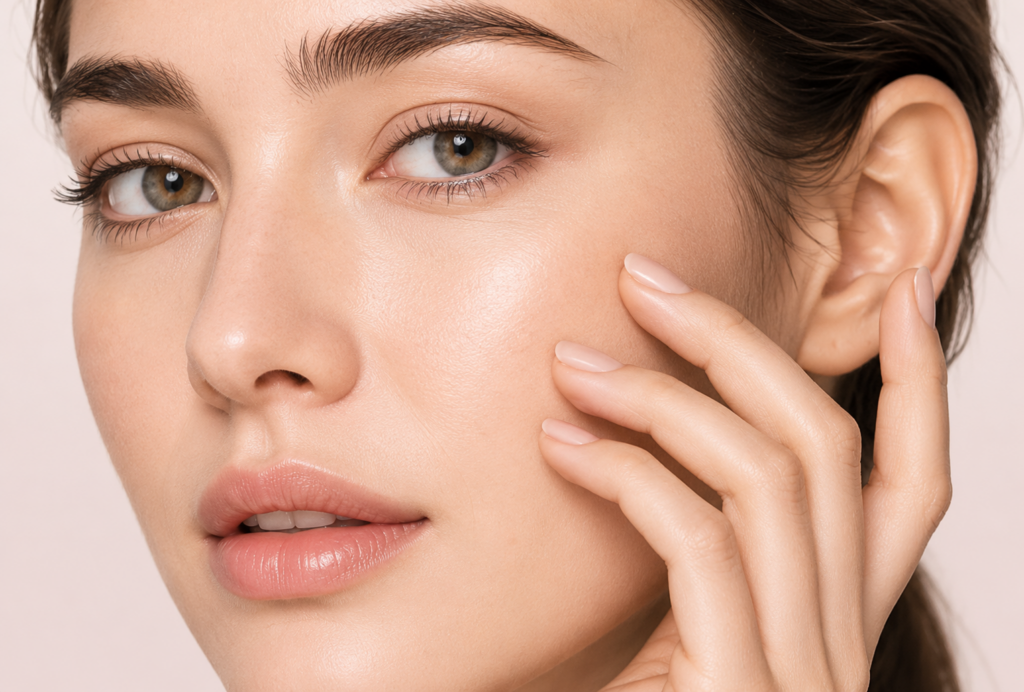
Specialty 03
Achieve a bright and well-defined eye shape
By correcting droopy eyelids, we help create clearer, more open eyes and a fresher, more refreshed overall impression.
Specialty 04
Skilled expertise with detailed surgical precision
With extensive clinical experience and refined techniques, we provide safe procedures and satisfying results.
Specialty 05
Medical team that continuously researches and evolves
We study the latest surgical techniques and trends to strive for better outcomes.
Specialty 06
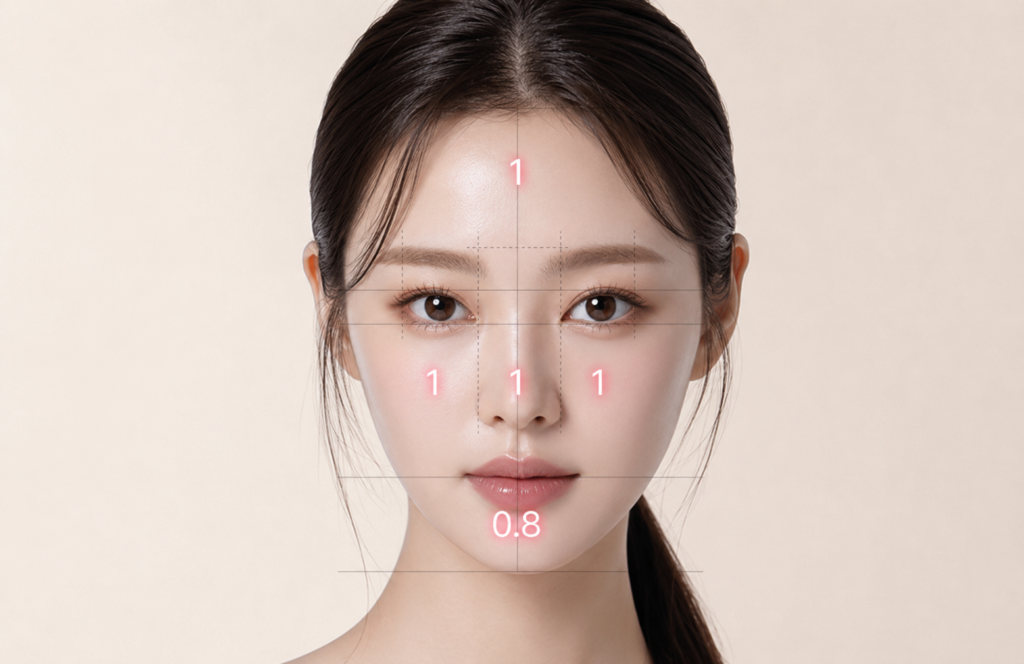
A natural and well-balanced appearance
We design a natural-looking eye shape by considering the overall facial balance, ensuring results that are not artificial but harmoniously integrated with your features.
Have a Quick Question?
Incisional VS. Non-Incisional Ptosis Correction
 (Natural Adhesion Method) |
VS |
 |
|
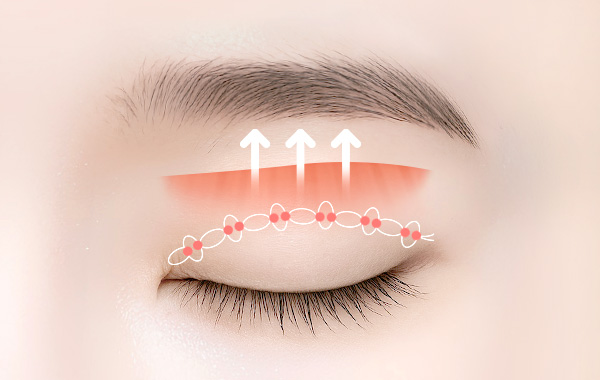
Tightens and lifts the eye muscles using sutures without cutting |
Surgical Method |
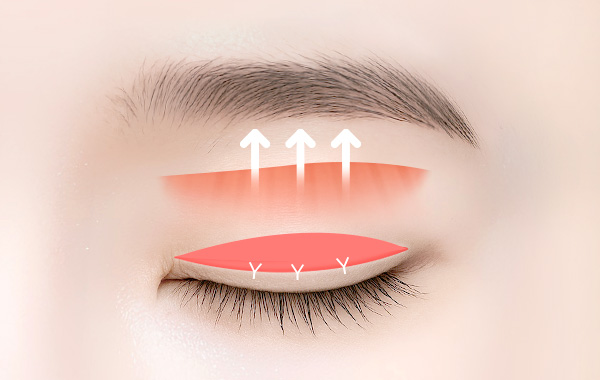
After incision, removes/adjusts fat and muscle and strengthens the muscle |
|
Thin eyelids, mild drooping, no severe ptosis |
Suitable Candidates |
Thick eyelids or severe drooping, significant ptosis |
|
Mild to moderate ptosis correction |
Degree of Correction |
Moderate to severe ptosis correction possible |
|
Minimal swelling / fast recovery |
Swelling & Recovery |
Some swelling / relatively slower recovery |
Ptosis Self-Diagnosis Checklist
Do You Have Ptosis?
When opening your eyes, if your pupils are still covered by your eyelids
When opening your eyes, if you raise your eyebrows and use your forehead muscles
When looking straight ahead, if your field of vision feels obstructed or uncomfortable
Eyes that look sleepy or tired
Procedure Candidates
Who is Ptosis Correction Recommended For?
RINE ptosis correction is recommended for the following people:
Non-incisional Ptosis correction method
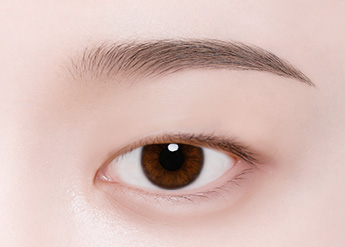
Before surgery
A dull-looking, sleepy appearance of the eyes that seems heavy and closed-off
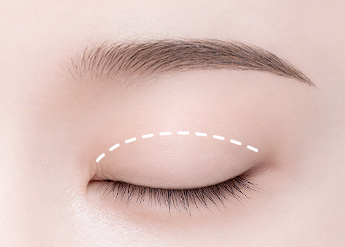
Personalized design
After measuring the strength of the eyelid-opening muscles, an ideal eye height and shape is designed.
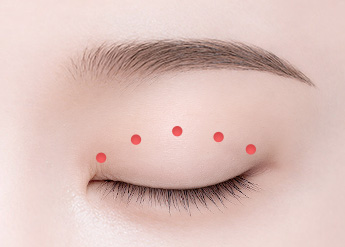
Micro-openings
Small incisions are created along the designed line.
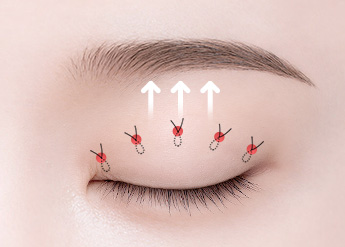
Muscle adjustment
Through the tiny openings, the eyelid-opening muscle is tightened and secured with knots to adjust its strength.
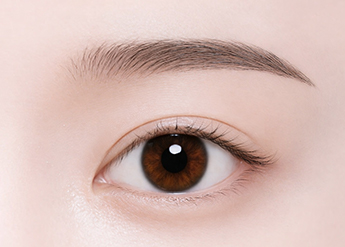
Final result
A natural-looking, well-defined eye shape is completed.
Incisional Ptosis correction method
Before surgery
A dull-looking, sleepy appearance of the eyes that seems heavy and closed-off
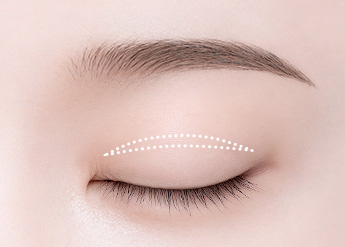
Personalized design
After measuring the strength of the eyelid-opening muscles, an ideal eye height and shape is designed.
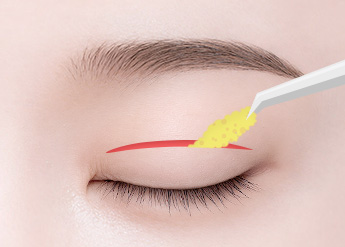
Removal of unnecessary tissue
After making an incision along the designed line, excess skin and fat are removed.
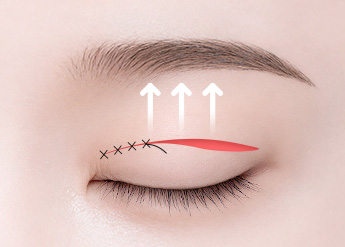
Levator muscle strengthening
Depending on the severity of ptosis, the levator muscle is appropriately tightened and fixed to strengthen the eye-opening function.
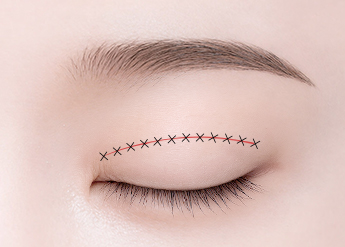
Suturing
The incision line is carefully stitched to complete the procedure.
Results of Ptosis correction

Quick recovery and a natural-looking eye shape—without visible scarring
Q&A
Ptosis correction
Frequently asked questions
Ptosis Correction
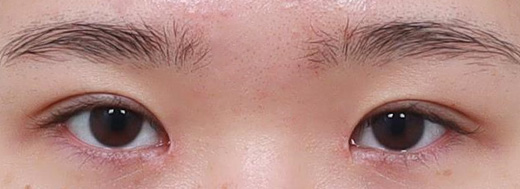
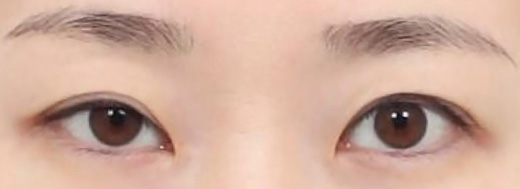
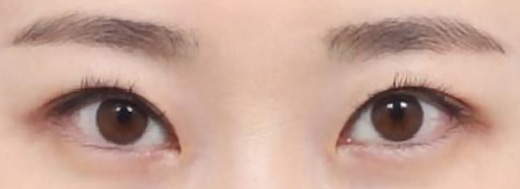
Before & After
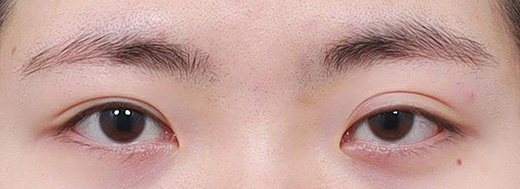 before
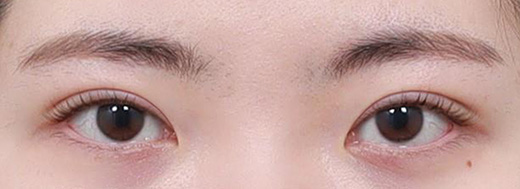 after
after
Incisional double eyelid surgery + ptosis correction
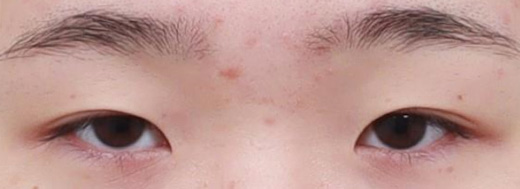 before
 after
after
Incisional double eyelid surgery + ptosis correction
 before
 after
after
Incisional double eyelid surgery + ptosis correction
※ The results of plastic surgery or cosmetic procedures may vary from person to person. ※
Side effects such as bleeding and infection may occur.
Start Your Rejuvenation Today
Book a free online consultation
Frequently Asked Questions
What is ptosis correction?
Ptosis correction is a procedure that improves droopy or sleepy-looking eyes caused by weak eyelid-opening strength. It strengthens and corrects the muscle that lifts the eyelid so the eyes can look clearer, brighter, and more defined.
How do I know if I might need ptosis correction?
You may want to consider it if your eyelids still cover part of your pupils when you open your eyes, if you raise your eyebrows or use your forehead muscles to open your eyes, if your forward vision feels obstructed, or if your eyes often look sleepy or tired. The page also explains that around 80% pupil exposure is considered normal.
Who is ptosis correction recommended for?
It is recommended for people whose eyes feel heavy because of ptosis, people who use their forehead muscles a lot when opening their eyes, people who want a natural but clearer impression, people with uneven eye-opening strength that causes asymmetry, people who are often told they look sleepy or tired, and people whose eyelids are so droopy that opening the eyes properly feels difficult.
How long does the surgery take, and what is the recovery like?
The surgery time is listed as within 30 minutes. Suture removal is after 7 days, anesthesia is sedation or local anesthesia, recovery is about 1 to 2 weeks, and the follow-up visit is 1 session.
What is the difference between non-incisional and incisional ptosis correction?
Non-incisional ptosis correction tightens and lifts the eye muscles using sutures without cutting. It is described as suitable for thin eyelids, mild drooping, and cases without severe ptosis, with minimal swelling and faster recovery. Incisional ptosis correction involves an incision, adjustment or removal of fat and muscle, and strengthening of the muscle. It is described as suitable for thick eyelids, severe drooping, and significant ptosis, with some swelling and relatively slower recovery.
How is non-incisional ptosis correction done?
The non-incisional method starts with checking the eyelid-opening muscle strength and designing the ideal eye height and shape. Small openings are then created along the designed line, and through those tiny openings the eyelid-opening muscle is tightened and secured with knots. The goal is a natural-looking, well-defined eye shape.
How is incisional ptosis correction done?
The incisional method begins with measuring eyelid-opening strength and creating a personalized design. An incision is made along the planned line, excess skin and fat are removed, and the levator muscle is tightened and fixed according to the severity of ptosis. The incision line is then carefully stitched to complete the procedure.
What kind of results can I expect from ptosis correction?
The listed results include a clear and natural-looking eye shape, easier and more comfortable eye opening, improvement in both function and aesthetics, help with reducing forehead wrinkles, minimal scarring with fast recovery, and a more youthful appearance.
What does the page say about the look of the results?
The results are described as natural, subtle, and well-balanced. The page says the eye shape is designed to suit each person, and it also notes that the result can look natural even when the eyes are closed.
Are there any cautions or side effects mentioned?
Yes. It says results may vary from person to person, and side effects such as bleeding and infection may occur.