

Complete your eye surgery with RINE
Double Eyelid Revision Surgery in Korea

RINE Plastic surgery clinic
What is Revision Eye Surgery at RINE Plastic Surgery?
With over 10,000 eye surgeries performed, our medical team possesses the crucial expertise needed for revision surgery.
Revision eye surgery is performed in cases such as overly thick double eyelid lines, loosened or faded lines, severe scarring, multiple fold lines, or asymmetry.
Compared to the first surgery, revision surgery is more complex because the tissues may already be damaged, so a high level of surgical expertise is required. It is a procedure where correcting the eyelid line and minimizing scarring are especially important.
RINE will take responsibility for your final revision eye surgery.
Revision eye surgery is a highly complex procedure, where the experience and skill of the medical team are especially important.
Point 01
Through thorough communication, the causes of prior failure are analyzed.
Point 02
Delicate surgery based on a precise surgical plan.
The special features of revision eye surgery at RINE Plastic Surgery:
Why Choose RINE for Double Eyelid Revision Surgery?
RINE Plastic Surgery creates the optimal eyelid line suited to each individual through 1:1 customized line design by its director, who has a refined aesthetic sense.

Specialty 01
After accurately analyzing the cause of the failure, the surgery is performed.
Through precise analysis, the problem is accurately identified, and customized surgery tailored to the cause is performed.

Specialty 02
High level of perfection.
With delicate surgical techniques, we achieve results that are more natural and of higher quality than the first surgery.

Specialty 03
Precise correction.
Every small detail is carefully refined to create a natural and well-balanced eye shape.

Specialty 04
Differentiated, personalized line design.
We design the most harmonious eye line by taking into account each individual’s eye shape and conditions.

Specialty 05
Precise refinement.
We carefully correct the previous errors to achieve a natural and ideal eye shape.
Have a Quick Question?
RINE Revision eye surgery
Revision eye surgery: cases by type
Case 01
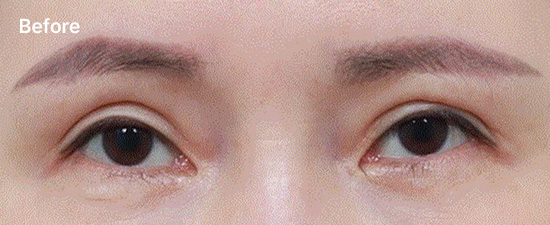
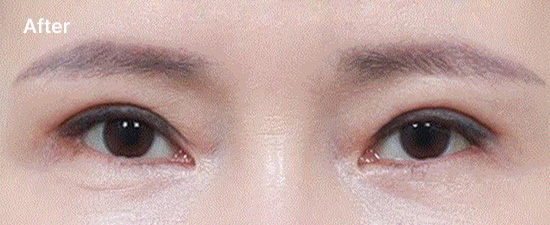
When the double eyelid line is too thick
This occurs when the eyelid crease is set too high for the eye shape or when fat removal was not properly performed. It can be improved by adjusting the crease height according to the eye shape, removing excess fat, or performing ptosis correction surgery.
Case 02
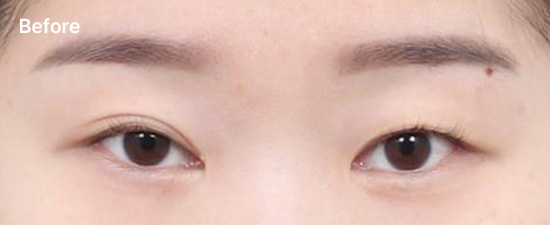
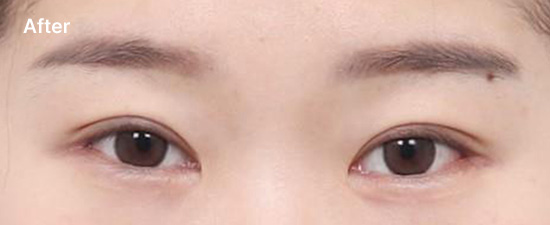
When the eyes are asymmetrical
This occurs when the line design is incorrect or when there is a difference in the strength of the eye-opening muscles, leading to asymmetry. It can be improved through revision surgery by adjusting the thickness of the crease or correcting the strength of the eye-opening muscles.
Case 03
When the eyelid line has become loose or undone
When the fixation is weak, the crease can come undone, and multiple folds may form, leading to asymmetry. The double eyelid line is redesigned and securely fixed to prevent recurrence.
Case 04
When multiple folds form above the eyelid
This occurs when too much fat or muscle has been removed from the upper eyelid, or when the double eyelid fixation was done incorrectly, leading to unnecessary adhesions. It is corrected by releasing the unwanted adhesions and restoring volume to the upper eyelid.
Case 05
When prominent scarring remains
This occurs when there were issues during the suturing process in the previous surgery or when excessive tissue was removed, resulting in significant scarring. It is improved by removing scar tissue, adjusting the depth of fixation, and reconnecting the muscles.
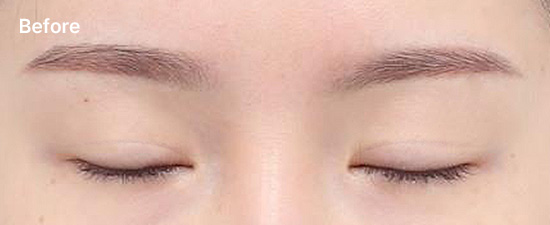
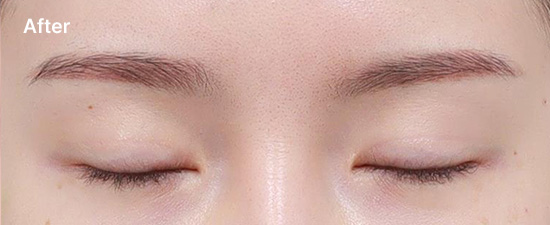
Case 06
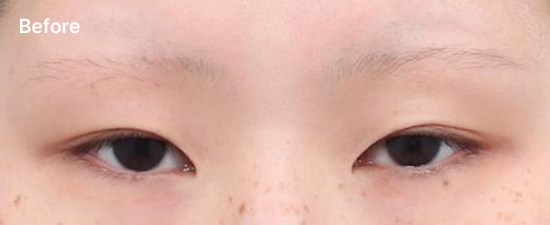
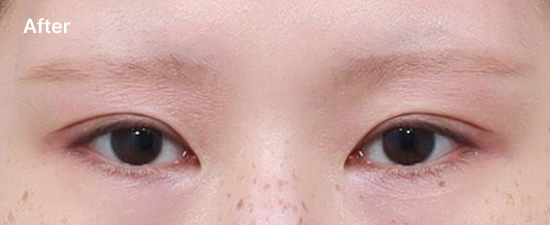
Issue with the amount of iris exposure
This can occur when surgery is performed without considering the eye-opening strength, or after excessive eye corner (canthoplasty) procedures. It can be improved through ptosis correction or revision/restoration of the eye corner surgery.
Considerations for revision eye surgery
Check 01
Check 02
Check03
Check 04
Check 05
Check 06
Check 07
Check 08
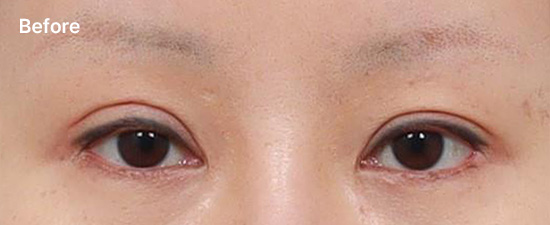
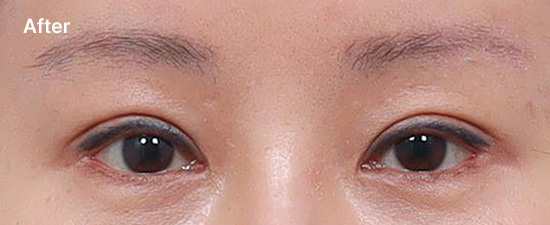
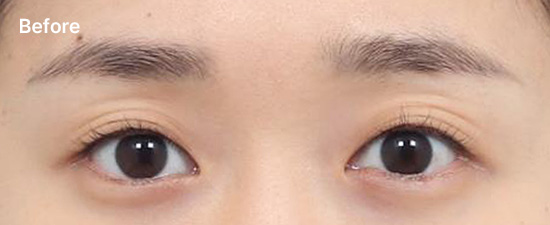
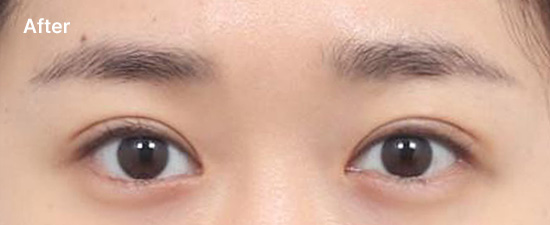
Results of revision eye surgery at RINE

RINE Delivers Natural Results
Q&A
Revision Double eyelid surgery
Frequently asked questions
Double Eyelid Revision Surgery:
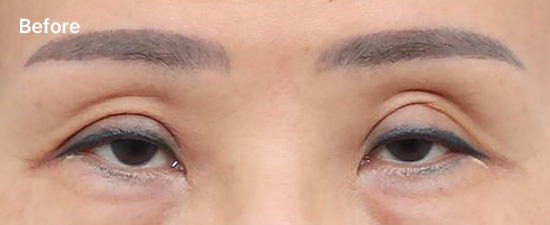
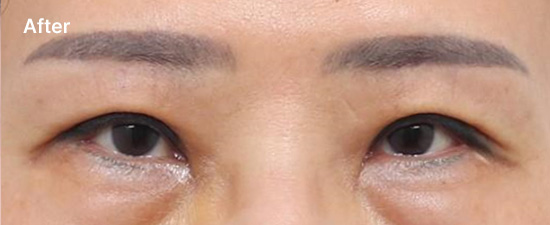
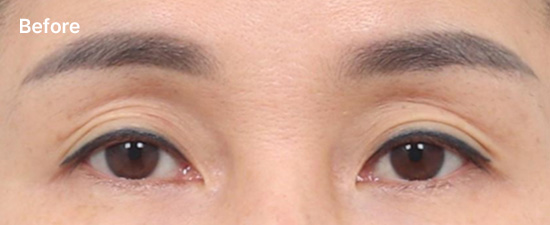
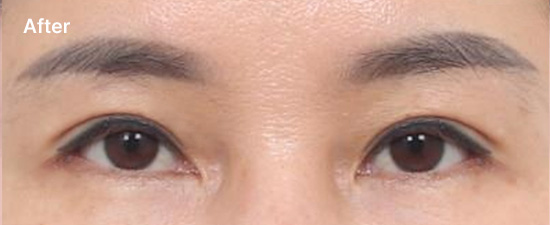
Before & After
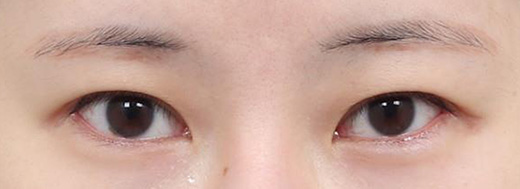 before
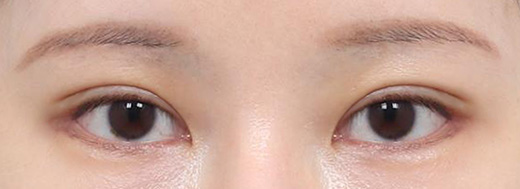 after
after
Natural adhesion revision surgery + posterior/lower canthoplasty revision surgery
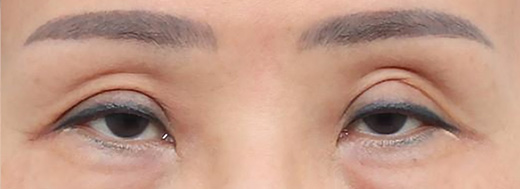 before
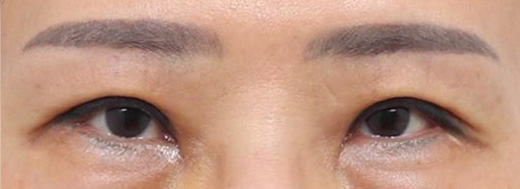 after
after
Incisional double eyelid revision surgery + ptosis correction
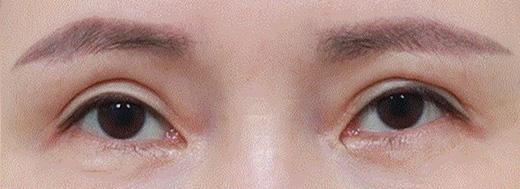 before
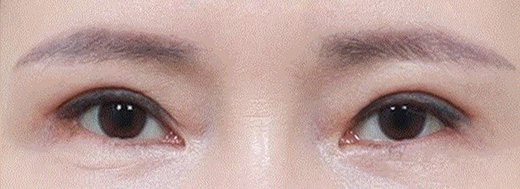 after
after
Incisional double eyelid revision surgery
※ The results of plastic surgery or cosmetic procedures may vary from person to person. ※
Side effects such as bleeding and infection may occur.
Start Your Rejuvenation Today
Book a free online consultation
Frequently Asked Questions
What is double eyelid revision surgery for?
It is for correcting issues after a previous eyelid procedure, such as lines that are too thick, loosened or faded lines, severe scarring, multiple fold lines, or asymmetry.
Why is revision surgery considered more difficult than the first surgery?
It is more complex because the tissues may already be damaged, so correcting the eyelid line and minimizing scarring requires a high level of surgical expertise.
How long does the surgery and recovery usually take?
The surgery takes about 1 hour, stitches are removed after 7 days, recovery is about 2 weeks, and the follow-up visit is listed as 1 session.
What kind of anesthesia is used?
Sedation is used.
How is the revision plan decided?
The approach is based on thorough communication, analyzing the cause of the previous failure, and creating a precise surgical plan.
What kinds of things are checked before revision surgery?
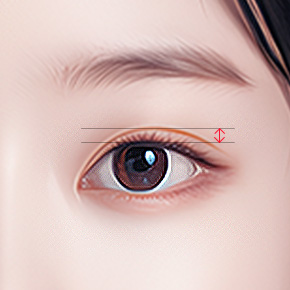
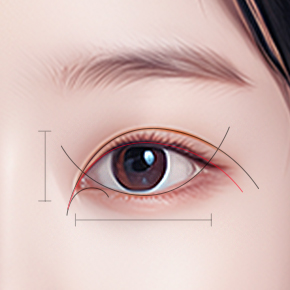
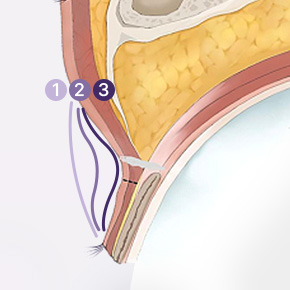
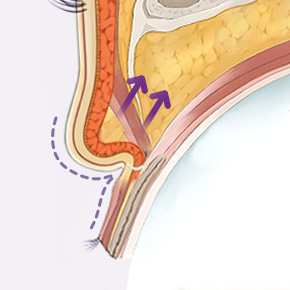
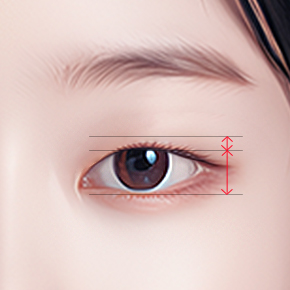
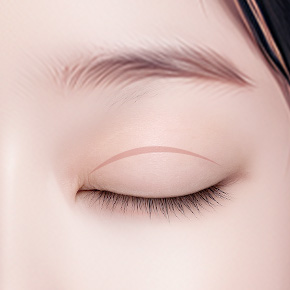
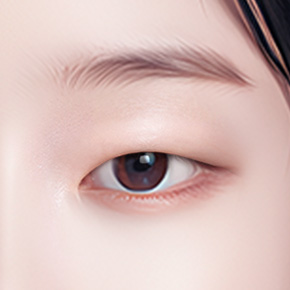
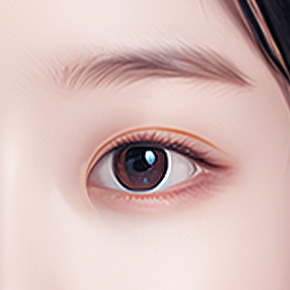
The evaluation includes eyelid crease height, double eyelid crease shape, degree of adhesion, fixation depth and degree, presence of ptosis, degree of eyelid line scarring, amount of eyelid fat, and presence of an epicanthic fold.
Can revision help if my double eyelid line is too thick?
Yes. If the crease was set too high or fat removal was not properly performed, it may be improved by adjusting the crease height, removing excess fat, or performing ptosis correction surgery.
Can revision help if my eyes look asymmetrical?
Yes. If asymmetry is caused by incorrect line design or differences in eye-opening muscle strength, revision may improve it by adjusting crease thickness or correcting the strength of the eye-opening muscles.
What if my eyelid line became loose or undone after surgery?
If fixation is weak, the crease can come undone and multiple folds may form. In that case, the line can be redesigned and securely fixed to help prevent it from happening again.
Can revision fix multiple folds above the eyelid?
Yes. When multiple folds form because too much fat or muscle was removed or fixation was done incorrectly, the correction may involve releasing unwanted adhesions and restoring volume to the upper eyelid.
What can be done if noticeable scarring remains?
If significant scarring resulted from problems during suturing or excessive tissue removal, it may be improved by removing scar tissue, adjusting the depth of fixation, and reconnecting the muscles.
Is revision possible with the natural adhesion method if my first surgery was done with the incision method?
Yes, it can be possible. However, if the crease line is too thick and needs to be lowered, or if there is severe ptosis or significant excess skin, the incision method is necessary. The exact method should be decided after an in-person consultation with a medical specialist.
Will scarring get worse after revision surgery?
Not necessarily. It depends on the revision method and the specific case. With the natural adhesion method, additional scarring does not occur. With the incision method, if existing scar tissue is removed, scarring may not worsen and can even improve.
What results are expected from revision surgery?
The listed goals include more natural-looking eyes, correction of asymmetry, satisfaction in both beauty and function, achieving the desired shape, and no more worries about further revision surgery.